
What Does it Mean When You Dream About Cats?
Quick answer
Dreaming about cats most often reflects your relationship with independence, intuition, and the parts of yourself you keep private. The emotional tone matters more than the cat itself — a purring cat signals self-trust, while a hissing or attacking one usually points to something in waking life that feels unpredictable or outside your control.
Had a different dream? Describe it and get a reading.
Interpret my dream →Why this dream sticks
Cats occupy a psychological middle ground few other animals do: domesticated but not fully tamed, affectionate but not dependent. When your mind reaches for an image that captures something ambivalent — a relationship where you feel both drawn in and held at arm’s length, a creative project that won’t cooperate, a gut feeling you keep second-guessing — cats are the ready symbol. The dream lingers because it isn’t random imagery; it’s your own emotional intelligence choosing the most precise metaphor available.
If you’re trying to interpret this dream alongside others from the same night, look for a consistent emotional thread rather than analyzing each symbol in isolation.
Common variations and what they mean
| Dream scenario | Most likely reading |
|---|---|
| Friendly cat rubbing against you or purring | Comfort with solitude; a period of creative or intuitive flow; satisfaction with your own company |
| Cat hissing, scratching, or attacking you | A waking situation that feels threatening but isn’t fully visible; suppressed irritability you haven’t yet addressed |
| Stray or feral cat you try to rescue | An unclaimed part of yourself — a talent, desire, or habit — that needs attention but hasn’t been integrated yet |
| Dead or dying cat | The end of a phase of independence; grief over a relationship or creative outlet that has lost its vitality; rarely literal |
| Kittens, especially a litter | New ideas or small responsibilities that feel manageable but require consistent care; sometimes an emerging nurturing impulse |
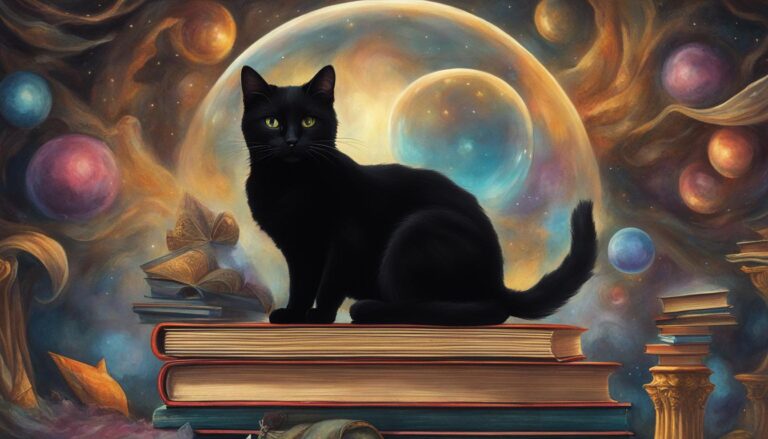
| Black cat | Heightened intuition or something important operating just outside your awareness — more often curiosity than fear |
| Cat talking or behaving like a human | Your instinctive, non-verbal intelligence trying to communicate in a form your conscious mind can hear; pay attention to what it says |
| Many cats crowding or overwhelming you | Too many competing needs — yours or others’ — with no clear priority |
If the cat attacked you
Cat aggression registers as betrayal rather than danger, and that is the point of the image: the animal is small, familiar, and supposedly on your side. These dreams cluster around threats that feel disproportionate to their source — a quietly hostile colleague, a relationship that has turned cold without an argument, a habit that has started to bite back.
Where it landed helps. Scratched hands or arms point at interference with something you are actively reaching for or building. A bite to the face or neck is about perception and voice, and it shows up reliably during conflicts over reputation or public speaking. Your own pet turning on you points at a specific person, and the more beloved the cat, the sharper the sense of trust violated. Two endings matter most: fighting the cat off successfully means you have more agency than you feel, and freezing means you already know what needs to be said and cannot yet move toward it.
If the cat was black
Black cats arrive carrying centuries of borrowed meaning — luck, witchcraft, omen — and your sleeping mind knows it, which is why the image lingers even when nothing dramatic happens in the scene. Almost none of that inheritance is useful for interpretation. What is useful is that a black cat sharpens the ordinary cat symbol: something important is operating just outside your awareness, and curiosity is a better response to it than fear.
Several black cats at once is the exception worth naming, and it shifts the reading from intuition to overload — several unresolved unknowns converging, which is a common shape during compounding stress rather than one identifiable problem.
What this dream is not
A cat dream is almost never a literal prediction about an actual cat in your life. It’s also not a sign of bad luck, witchcraft, or cultural superstition — dreams draw on personal association first, collective symbol second. If you love cats, a dream about one is far more likely to reflect warmth and ease than anything sinister. Conversely, if you’re allergic or afraid of them in waking life, even a neutral scenario may carry an undertone of discomfort simply because that is your lived experience of the animal.
For a broader look at how animals appear across dream themes, the pattern is consistent: the animal’s qualities matter less than how you feel in its presence.
A short practice
Within a few minutes of waking, write down three things: the cat’s behavior, your emotional response to it, and one area of your waking life that currently feels similarly unpredictable or independent. You’re not looking for a tidy answer — you’re looking for resonance. If all three point to the same situation, that’s where your attention belongs. The dream interpretation guide can help you work through what that attention might call for next.
If animals appeared alongside the cat, the dream about dogs guide or dream about snakes guide may be useful for comparison.
FAQ
Does dreaming about a cat mean I have psychic intuition?
Not in any literal sense, but cats tend to appear when your intuition is active and pressing for recognition. If the dream felt significant, that feeling is worth taking seriously — not as evidence of psychic ability, but as a signal that your subconscious is surfacing something you already sense but haven’t fully acknowledged.
What if I dreamed about my real cat who has passed away?
Dreams about a deceased pet are common in the months following a loss and are generally understood as part of grief processing rather than a message from the animal. They often carry warmth alongside sadness and tend to diminish in frequency as mourning moves through its natural stages. If the dream felt comforting, allow it to be — it reflects genuine attachment, not denial.
Why do I keep having this dream repeatedly?
Recurring cat dreams almost always point to an unresolved tension — typically around autonomy, a boundary you haven’t set, or a need you keep deferring. The repetition isn’t a warning so much as persistence: your mind returns to the image until the underlying situation shifts or you make a conscious decision about it. Journaling the variations across multiple occurrences often reveals a clear pattern. This is not medical or psychological advice; if the dreams are distressing and disrupting sleep, speaking with a licensed therapist is worthwhile.
Is a black cat in a dream bad luck?
No. That association comes from medieval European superstition and has no bearing on how dreams actually work. Dreams draw on personal association first and collective symbol second, which is why the same black cat reads as ominous to someone raised on the superstition and as companionable to someone who has owned one. Your own history with the animal outranks the folklore.
Author

Explore the next dream


Dreams are not medical, legal, or financial advice. The Dream Symbolist offers symbolic interpretation to support reflection, not diagnosis.